 Catalyst
Know exactly
what's fighting
you.
A single drop of blood under glass maps every reaction — from mild histamine flares to anaphylactic cascades. No medical shorthand. Every ingredient listed.

Cow's Milk (IgE)
0.42 kU/L
Peanut — Ara h 2
8.74 kU/L
Wheat Gliadin
2.11 kU/L
Egg White (IgE)
0.18 kU/L
Tree Nut Mix
12.6 kU/L
Component-Resolved · ImmunoCAP
Reaction risk identified
3 of 47 foods tested
No reaction is
just in your head.
IgE-mediated reactions span a continuum. Most food allergy symptoms are mild — but there's no way to predict when mild becomes life-threatening. Mapping where your reactions fall is the first step.
Onset
Within 1–2 hours
Mechanism
Histamine release, local IgE-mediated
- Skin flushing
- Mild hives
- Nasal congestion
- Watery eyes
Onset
Within 30–60 min
Mechanism
Systemic IgE activation, mast cell degranulation
- Widespread urticaria
- Abdominal cramping
- Vomiting
- Throat tightness
Onset
Within minutes
Mechanism
Full anaphylactic cascade, epinephrine required
- Airway swelling
- Drop in blood pressure
- Loss of consciousness
- Anaphylaxis
Three tests.
One right answer for you.
Before you call us, see exactly how each method works, what it costs you in time and comfort, and which one applies to your case. No upselling. Just the data.
| Criterion | Skin Prick Test SPT | Specific IgE Blood Panel ImmunoCAP · sIgE | Oral Food Challenge OFC — Gold Standard |
|---|---|---|---|
Turnaround Time | 15–20 minutes Same-visit results | 5–10 business days Lab processing required | 3–4 hours (clinic day) Extended supervised session |
Sensitivity True positive detection rate | 90–94% High for milk & egg (fresh extracts) | Component-specific: 91–95% Ara h2 peanut: 92% specificity | 100% (gold standard) Definitive confirmation |
False Positive Rate | ~50–60% Requires clinical correlation | Lower with component testing Whole extract less specific | Near zero Direct clinical observation |
Discomfort Level | Minimal — no bleeding Mild itch possible | Minor — single blood draw Brief needle discomfort | Variable — reaction risk Epinephrine on standby |
Age Suitability | All ages (antihistamine pause) Must stop antihistamines 5–7 days prior | No minimum age IgE doesn't cross placenta; no age restriction | Clinical judgment required Risk-benefit assessed per patient |
Medication Interference | Yes — antihistamines & antidepressants Can suppress wheal response | None Safe on all medications | Protocol-dependent Epinephrine availability required |
Diagnostic Certainty | Screening — not confirmatory Combined with history | High specificity for components Component-resolved testing | Definitive confirmation Only test that confirms diagnosis |
Relative Cost | Lowest | Moderate | Highest Extended clinic time + supervision |
Clinical note on sequential testing
When SPT + sIgE together show high post-test probability of reaction, an OFC is typically not recommended — the risk of provoking a reaction outweighs the confirmatory benefit. Our allergists make this call case-by-case.
Your complete
Allergy Testing
Guide.
32 pages of clinical knowledge we give away free — because a patient who understands their tests is a patient who gets better outcomes.
- Side-by-side comparison of all 3 test types
- Component-resolved IgE explained in plain English
- What to expect at your first Catalyst appointment
- How to read your results — every marker defined
- Elimination protocol templates by allergen class
- Emergency action plan framework for families
Reviewed by board-certified allergists. Updated February 2026.
Get your free guide
Delivered instantly to your inbox. No spam — unsubscribe anytime.
Not ready to download?
Check Your Symptoms InsteadNothing hidden
behind the curtain.
Here's every step of your diagnostic journey — exactly what happens, exactly how long it takes, exactly what you'll walk away with.
Intake & History Review
Your allergist reviews your full reaction history — every food, every symptom, every timeline. We map the pattern before we order a single test.
- Reaction diary analysis (last 12 months)
- Family history of atopy or anaphylaxis
- Current medications reviewed for interference
- Severity scoring: mild / moderate / severe cascade

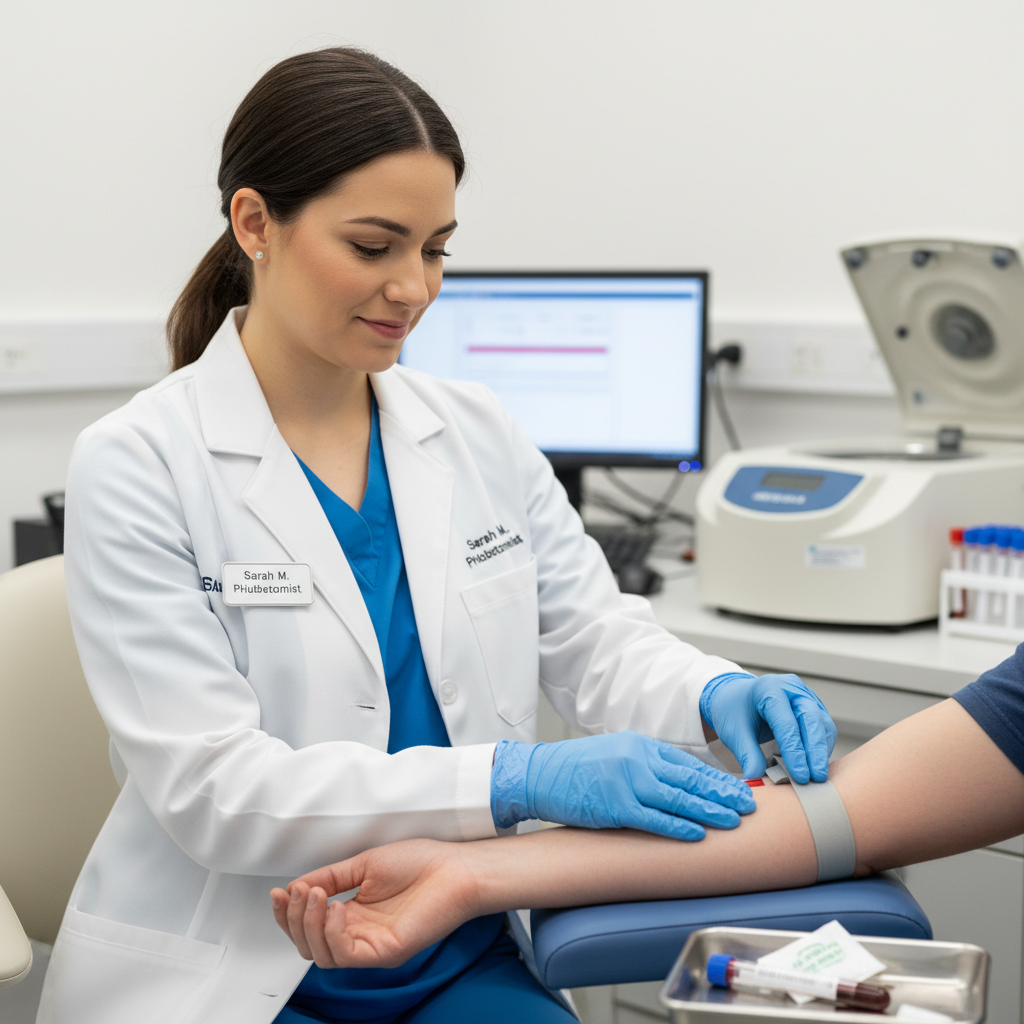
Sample Collection
One blood draw. Depending on your history, we may run a skin prick panel the same day. You leave in under an hour.
- Specific IgE blood panel — up to 120 allergens
- Component-resolved testing (Ara h 2, casein, ovomucoid)
- Optional same-day SPT for rapid screening
- No fasting required; antihistamine status confirmed
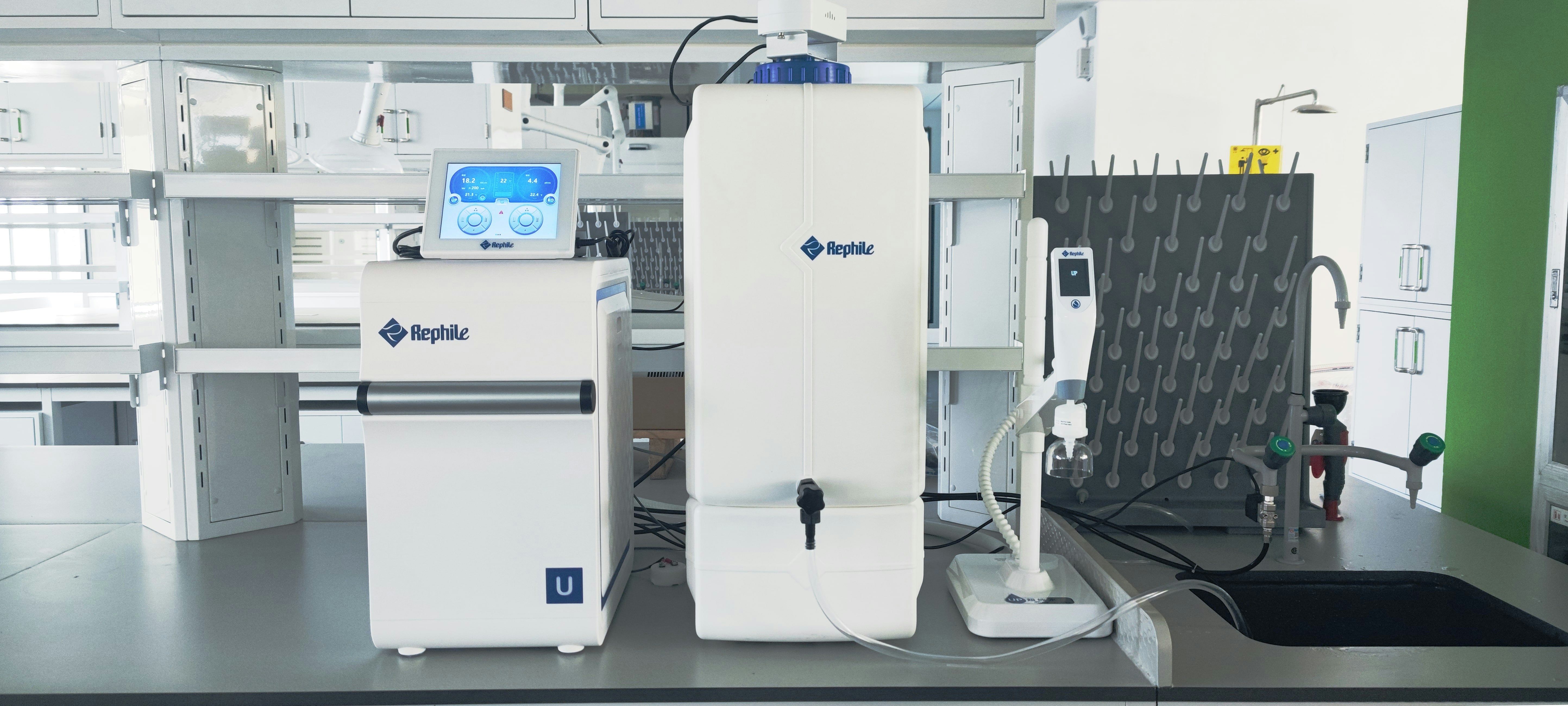
Lab Processing
Your sample runs through our CLIA-accredited ImmunoCAP system. Component-resolved results identify not just whether you react — but which protein fraction drives the reaction.
- ImmunoCAP fluorescent enzyme immunoassay
- Component-resolved IgE (CRD) for peanut, tree nut, milk, egg
- IgE class scoring: 0 (undetectable) → 6 (≥100 kU/L)
- Cross-reactivity mapping across food families
Results Consultation
Your results arrive as a plain-English report — no medical shorthand. Your allergist walks through every marker, every class score, every flag.
- Printed panel with every allergen labeled in plain English
- Amber flags: moderate sensitization, clinical monitoring
- Red flags: high-risk components (Ara h 2, Ana o 3)
- OFC recommendation made if confirmatory testing needed

Elimination & Action Plan
Your plan is built around what you actually eat. Not a generic avoidance list — a mapped elimination protocol with safe substitutes, label-reading guides, and emergency protocols.
- Allergen-specific elimination diet protocol
- Cross-contact risk matrix for your allergen class
- Emergency action plan (EpiPen thresholds, escalation)
- Scheduled 6-week follow-up to assess tolerance changes

Which test is
right for you?
Select every symptom that applies to you. Takes 30 seconds. We'll score your reaction severity and recommend the appropriate test type.